WHO WE ARE
ABOUT LRRB
Established in 1959 by the Minnesota legislature, the Local Road Research Board (LRRB) is a practitioner-run organization that sponsors research and educational initiatives that address local transportation needs.
OUR MISSION
To serve local road practitioners through the development of new initiatives, the acquisition and application of new knowledge, and the exploration and implementation of new technologies.
A Practitioner-Run Organization
The transportation practitioners who are responsible for county highways and city streets best understand the challenges in providing safe, efficient roadways. The LRRB seeks their input in setting the research agenda. City and county professionals suggest research ideas, serve on the LRRB and the board’s Research Implementation Committee, and serve on the technical advisory panels for research projects.
Our Partners
Transportation practitioners submit ideas to the LRRB, which selects and approves proposals. The Minnesota Department of Transportation (MnDOT) provides administrative support and technical assistance. Researchers from MnDOT, universities and consulting firms conduct the research, and the LRRB monitors the progress.
- MnDOT and LRRB Transportation Research Blog
- Center for Transportation Studies (U of MN) programs and publications
- MnDOT State Aid – SALT Hot Topics
- Towards Zero Death News
- MnROAD/National Road Research Alliance news
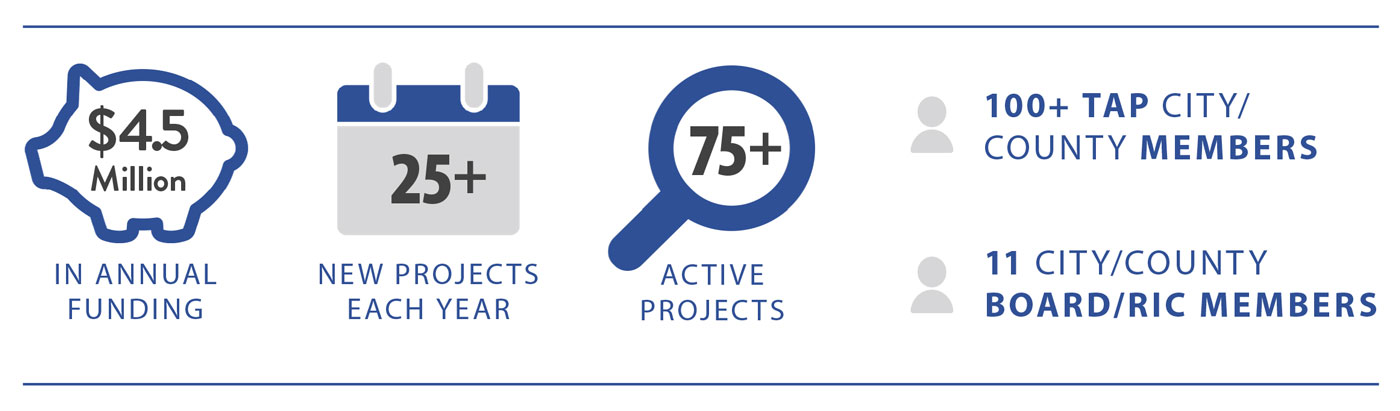
LRRB by the Numbers
Committee Structure
The Local Road Research Board conducts its work in conjunction with the following two volunteer committees: Research Implementation and Outreach.
Research Implementation Committee
The RIC turns research results into practical applications. The RIC uses a variety of methods to reach engineers and others with new developments, including videos, manuals, workshops, field demonstrations, web-based technology and on-site visits.
RIC Members
RIC voting members include:
MnDOT’s Office of Research & Innovation provides support services, and at least one voting RIC member serves on the LRRB to ensure a strong link between the RIC and the LRRB.
Click here to view RIC projects.
Click here to view RIC contact information.
Click here to view the Research Implementation Guide.
Outreach Subcommittee
LRRB established this committee to increase the awareness of LRRB functions and products within the transportation community. It meets as needed to review current LRRB marketing practices and public relations strategies. The committee includes staff from LRRB, MnDOT and the Local Technical Assistance Program (LTAP).
Click here to view outreach subcommittee contact information.
Board Structure
LRRB membership includes four county and two city engineers who may serve a maximum of two, four-year terms. MnDOT members include the State Aid Engineer, a representative from a MnDOT specialty office and the director of Research Services, who is the ex officio secretary and a voting member. A University of Minnesota Center for Transportation Studies representative is the 10th member.
Click here to view board member contact information.
LRRB Member Responsibilities
Members are expected to attend LRRB meetings and prepare for them by reviewing appropriate materials.
LRRB members serve as representatives of local road practitioners and are committed to carrying out LRRB’s mission. They make presentations about the LRRB during appropriate meetings of local transportation practitioners, and staff the LRRB booth at various conferences and trade shows.
LRRB members actively support local transportation practitioners through their participation in local focus group meetings, active solicitation of research topics and identification of TAP participants.
The LRRB nominates and elects a chair, who oversees and leads LRRB meetings. The chair is responsible for organizing ad hoc committees as necessary to review or further develop LRRB issues, naming committee members and appointing committee chairs. In addition to these responsibilities, the chair or another designated LRRB member represents the LRRB on research governance committees, such as those of the Transportation Engineering and Road Research Alliance (TERRA), the ITS Institute Board and the LTAP steering committee. The chair serves LRRB for a period of up to three years.
Voting
The LRRB uses generally accepted meeting procedures, requiring a minimum quorum of six members and operating on a majority vote to approve expenditure of LRRB funds and to make policy decisions. Polling of members shall be kept to a minimum and will be used only as necessary for action required before the next regular scheduled LRRB meeting. Such action shall be presented to the LRRB for affirmation at the next available LRRB meeting.
LRRB supports research that falls into the following categories:
Materials & ConstructionMaintenance/OperationsTraffic and SafetyMultimodalEnvironmental CompatibilityBridgesPublic PolicyImplementation